Saturday, July 19, 2014

[Paleontology • 2014] Lyrarapax unguispinus • Brain Structure resolves the Segmental Affinity of anomalocaridid Appendages


Lyrarapax unguispinus
Cong, Ma, Hou, Edgecombe & Strausfeld. 2014
a, b, Dorsal view of Lyrarapax unguispinus YKLP13305 (left side slightly tilted downwards) resolving straight midgut (mg) and sinusoidal alimentary tract (alt). Four neck and eleven trunk segments, the first providing paired oar-like flaps (fl between arrowheads), the last providing the tail fan (tf). Dark areas in the head indicate paired frontal appendage ganglia (frg), optic tract (opt) linking retinas (re) in eyes (ey) to flattened lateral protocerebral lobes (lpr in h) flanking an approximately bilaterally symmetric protocerebrum (pr). Metameric striate areas indicate muscle (m). c–e, Raised and indented grooves of muscle blocks (enlargements of boxed areas in b). f–h, Neural traces: blue digital filter (f) cancels colours in fossil except dark neural regions (for example, medial protocerebrum, mpr) that are resolved by scanning electron microscopy and energy-dispersive X-ray spectroscopy (g), as carbon-rich domains, and shown by oblique illumination relative to eye and head margins (h); bm, basement membrane and first optic neuropil. Raised neck segments gradually obscure caudally directed descending tracts (dt). Scale bars: a, b, 1 cm; c–e, 0.5 mm; f (also for g) and h, 5 mm.

Despite being among the most celebrated taxa from Cambrian biotas, anomalocaridids (order Radiodonta) have provoked intense debate about their affinities within the moulting-animal clade that includes Arthropoda. Current alternatives identify anomalocaridids as either stem-group euarthropods, crown-group euarthropods near the ancestry of chelicerates, or a segmented ecdysozoan lineage with convergent similarity to arthropods in appendage construction. Determining unambiguous affinities has been impeded by uncertainties about the segmental affiliation of anomalocaridid frontal appendages. These structures are variably homologized with jointed appendages of the second (deutocerebral) head segment, including antennae and ‘great appendages’ of Cambrian arthropods, or with the paired antenniform frontal appendages of living Onychophora and some Cambrian lobopodians. Here we describe Lyrarapax unguispinus, a new anomalocaridid from the early Cambrian Chengjiang biota, southwest China, nearly complete specimens of which preserve traces of muscles, digestive tract and brain. The traces of brain provide the first direct evidence for the segmental composition of the anomalocaridid head and its appendicular organization. Carbon-rich areas in the head resolve paired pre-protocerebral ganglia at the origin of paired frontal appendages. The ganglia connect to areas indicative of a bilateral pre-oral brain that receives projections from the eyestalk neuropils and compound retina. The dorsal, segmented brain of L. unguispinus reinforces an alliance between anomalocaridids and arthropods rather than cycloneuralians. Correspondences in brain organization between anomalocaridids and Onychophora resolve pre-protocerebral ganglia, associated with pre-ocular frontal appendages, as characters of the last common ancestor of euarthropods and onychophorans. A position of Radiodonta on the euarthropod stem-lineage implies the transformation of frontal appendages to another structure in crown-group euarthropods, with gene expression and neuroanatomy providing strong evidence that the paired, pre-oral labrum is the remnant of paired frontal appendages.

A spectacularly preserved creature, dubbed Lyrarapax unguispinus, was unearthed in China. The 520-million-year-old sea creature was so well-preserved that parts of its brain and nervous system were clearly defined.
photo: Peiyun Cong

Arthropoda von Siebold, 1848
Radiodonta Collins, 1996

Amplectobeluidae Vinther et al., 2014

Lyrarapax unguispinus gen. et sp. nov.


Etymology. lyra (Latin): referring to an overall lyre-like body shape; rapax (Latin): predator; unguis (Latin): claw; spinus (Latin): thorn, alluding to the spinose, claw-like frontal appendages.

Holotype. Holotype YKLP 13304a, b (Fig. 1 and Extended Data Figs 1a and 2a–d), part and counterpart.
Referred material. Paratypes YKLP 13305 (part only, Figs 2 and 3b, c), YKLP 13306 (part and counterpart, Extended Data Fig. 3).

Locality. Ercaicun (YKLP 13304, 13306) and Mafang (YKLP 13305) in Haikou, Yunnan Province, China.

Horizon. Heilinpu Formation, Cambrian Series 2, Stage 3, Yu’anshan Member (Eoredlichia–Wutingaspis assemblage zone).


Peiyun Cong, Xiaoya Ma, Xianguang Hou, Gregory D. Edgecombe & Nicholas J. Strausfeld. 2014. Brain Structure resolves the Segmental Affinity of anomalocaridid Appendages. Nature. doi: dx.doi.org/10.1038/nature13486

[PaleoMammalogy • 2014] Notiolofos cf. arquinotiensis • The Oldest Mammals from Antarctica, early Eocene of the La Meseta Formation, Seymour Island


Figure 1. Geographical and stratigraphical provenance of the remains described here.
Figure 2. View of the north-west side of the Seymour Island. The arrow indicates the position of locality IAA 1/13.

Abstract
New fossil mammals found at the base of Acantilados II Allomember of the La Meseta Formation, from the early Eocene (Ypresian) of Seymour Island, represent the oldest evidence of this group in Antarctica. Two specimens are here described; the first belongs to a talonid portion of a lower right molar assigned to the sparnotheriodontid litoptern Notiolofos sp. cf. N. arquinotiensis. Sparnotheriodontid were medium- to large-sized ungulates, with a wide distribution in the Eocene of South America and Antarctica. The second specimen is an intermediate phalanx referred to an indeterminate Eutheria, probably a South American native ungulate. These Antarctic findings in sediments of 55.3 Ma query the minimum age needed for terrestrial mammals to spread from South America to Antarctica, which should have occurred before the final break-up of Gondwana. This event involves the disappearance of the land bridge formed by the Weddellian Isthmus, which connected West Antarctica and southern South America from the Late Cretaceous until sometime in the earliest Palaeogene.
Keywords: West Antarctica; Palaeogene; Ypresian; tooth and bone morphology; ungulates; Sparnotheriodontidae


Class MAMMALIA Linnaeus, 1758
Order LITOPTERNA Ameghino, 1889
Family SPARNOTHERIODONTIDAE Soria, 1980

Genus NOTIOLOFOS Bond, Reguero, Vizcaíno, Marenssi and Ortiz Jaureguizar, 2009
Type species: Notiolofos arquinotiensis (Bond, Reguero, Vizcaíno and Marenssi, 2006).

Notiolofos cf. N. arquinotiensis (Bond, Reguero, Vizcaíno and Marenssi, 2006)  


 Javier N. Gelfo, Thomas Mörs, Malena Lorente, Guillermo M. López, Marcelo Reguero. in press. The Oldest Mammals from Antarctica, early Eocene of the La Meseta Formation, Seymour Island. Palaeontology. doi: dx.doi.org/10.1111/pala.12121.

Bond, M., Reguero, M. A., Vizcaíno, S. F. and Ortiz-Jaureguizar, E. 2009. Notiolofos, a replacement name for Notolophus Bond, Reguero, Vizcaíno and Marenssi, 2006, a preoccupied name. Journal of Vertebrate Paleontology. 29, 979.

M. Bond, M. A. Reguero, S. F. Vizcaíno and S. A. Marenssi. 2006. A New ‘South American ungulate’ (Mammalia: Litopterna) from the Eocene of the Antarctic Peninsula. In J. E. Francis, D. Pirrie, J. A. Crame (eds). Cretaceous-tertiary high-latitude palaeoenvironments: James Ross Basin, Antarctica. The Geological Society of London. 258(1): 163–176. doi: dx.doi.org/10.1144/GSL.SP.2006.258.01.12.

[PaleoMammalogy • 2006] Notiolofos (Notolophus) arquinotiensis • A New ‘South American ungulate’ (Mammalia: Litopterna) from the Eocene of the Antarctic Peninsula


Abstract

Notolophus arquinotiensis, a new genus and species of the family Sparnotheriodontidae (Mammalia, Litopterna), is represented by several isolated teeth from the shallow-marine sediments of the La Meseta Formation (late Early-Late Eocene) of Seymour Island, Antarctic Peninsula, which have also yielded the youngest known sudamericids and marsupials. The new taxon belongs to the extinct order of ‘South American native ungulate’ Litopterna characterized by the convergence of the later forms with the equids and camelids. Notolophus arquinotiensis shows closest relationships with Victorlemoinea from the Itaboraian (middle Palaeocene) of Brazil and Riochican-Vacan (late Palaeocene-early Eocene) of Patagonia, Argentina. Although still poorly documented, this new taxon shows that the early Palaeogene Antarctic faunas might provide key data concerning the problems of the origin, diversity and basal phylogeny of some of the ‘South American ungulates’ (Litopterna). This new taxon shows the importance of Antarctica in the early evolution of the ungulates and illustrates our poor state of knowledge.


M. Bond, M. A. Reguero, S. F. Vizcaíno and S. A. Marenssi. 2006. A New ‘South American ungulate’ (Mammalia: Litopterna) from the Eocene of the Antarctic Peninsula. In J. E. Francis, D. Pirrie, J. A. Crame (eds). Cretaceous-tertiary high-latitude palaeoenvironments: James Ross Basin, Antarctica. The Geological Society of London. 258(1): 163–176. doi: dx.doi.org/10.1144/GSL.SP.2006.258.01.12.

Bond, M., Reguero, M. A., Vizcaíno, S. F. and Ortiz-Jaureguizar, E. 2009. Notiolofos, a replacement name for Notolophus Bond, Reguero, Vizcaíno and Marenssi, 2006, a preoccupied name. Journal of Vertebrate Paleontology. 29, 979.

 Javier N. Gelfo, Thomas Mörs, Malena Lorente, Guillermo M. López, Marcelo Reguero.  in press. The oldest mammals from Antarctica, early Eocene of the La Meseta Formation, Seymour Island. Palaeontology. doi: dx.doi.org/10.1111/pala.12121.

Thursday, July 17, 2014

[Paleontology • 2014] Changyuraptor yangi • A New Raptorial Dinosaur with Exceptionally Long Feathering provides insights into dromaeosaurid Flight Performance


Changyuraptor yangi
Han, Chiappe, Ji, Habib, Turner, Chinsamy, Liu & Han 2014

Microraptorines are a group of predatory dromaeosaurid theropod dinosaurs with aerodynamic capacity. These close relatives of birds are essential for testing hypotheses explaining the origin and early evolution of avian flight. Here we describe a new ‘four-winged’ microraptorine, Changyuraptor yangi, from the Early Cretaceous Jehol Biota of China. With tail feathers that are nearly 30 cm long, roughly 30% the length of the skeleton, the new fossil possesses the longest known feathers for any non-avian dinosaur. Furthermore, it is the largest theropod with long, pennaceous feathers attached to the lower hind limbs (that is, ‘hindwings’). The lengthy feathered tail of the new fossil provides insight into the flight performance of microraptorines and how they may have maintained aerial competency at larger body sizes. We demonstrate how the low-aspect-ratio tail of the new fossil would have acted as a pitch control structure reducing descent speed and thus playing a key role in landing.


Evolutionary tree of predatory dinosaurs, including the newly discovered Changyuraptor.
by L. Chiappe, Dinosaur Institute, NHM
doi: dx.doi.org/10.1038/ncomms5382


Gang Han, Luis M. Chiappe,Shu-An Ji, Michael Habib,Alan H. Turner, Anusuya Chinsamy, Xueling Liu & Lizhuo Han. 2014. A New Raptorial Dinosaur with Exceptionally Long Feathering provides insights into dromaeosaurid Flight Performance. Nature Communications. 5, Article number: 4382

Monday, July 14, 2014

[Crustacea • 2014] ปูเขารามโรม | Nakhonsimon ramromensis • A New Genus and Species of Freshwater Crab (Brachyura: Potamidae) from Nakhon Si Thammarat, Peninsular Thailand


ปูเขารามโรม | Nakhonsimon ramromensis
Promdam,  Nabhitabhata & Ng, 2014

Abstract
 A new genus and species of potamid crab, Nakhonsimon ramromensis, is described from Nakhon Si Thammarat, southern Thailand. The new genus resembles Stoliczia and Johora from Peninsular Thailand and Malaysia in general features, but can be distinguished by the form of the male thoracic sternites 3 and 4, and the structure of the gonopods.

Key words. Nakhonsimon ramromensis, new genus, new species, Brachyura, Potamidae, freshwater crab, Peninsular Thailand, taxonomy


Nakhonsimon ramromensis Promdam,  Nabhitabhata & Ng, 2014
photo: R. Promdam [1] [2]

TAXONOMY

Family Potamidae Ortmann, 1896
Subfamily Potamiscinae Bott, 1970

Nakhonsimon, new genus
Type species. Nakhonsimon ramromensis, new species, designated herein.

Etymology. The name is an arbitrary combination of Changwat (= Province) Nakhon Si Thammarat, the type locality of the type species, in combination with the genus name Potamon. Gender of genus neuter.

Habitat. Adults of this species appear to be completely terrestrial, as they were found far away from any permanent water sources; the holotype male was found in a temporary pool on the highest point of the mountain ridge (about 996 m above sea level). Smaller crabs were observed in a phyotelm on a tree trunk that grows near the stream. Most juveniles were found beneath rocks in the main stream.

The gecarcinucid Phricotelphusa aedes (Kemp, 1923) was collected in the same vicinity as Nakhonsimon ramromensis.

Distribution. So far only known from the type locality on Khao Ram Rome, Changwat Nakhon Si Thammarat, Peninsular Thailand, but can probably be found in adjacent areas as well.


Rueangrit Promdam, Jaruwat Nabhitabhata & Peter K. L. Ng. 2014. Nakhonsimon ramromensis, A New Genus and Species of Freshwater Crab (Crustacea: Decapoda: Brachyura: Potamidae) from Nakhon Si Thammarat, Peninsular Thailand. Raffles. Bull. Zool. 62: 496–500.
http://lkcnhm.nus.edu.sg/nus/images/data/raffles_bulletin_of_zoology/zoology_volume_62/62rbz496-500.pdf

Saturday, July 12, 2014

[Botany • 2014] Revisions and Key to the Vernonieae (Compositae) of Thailand


Acilepis attenuata B Camchaya loloana C Camchaya loloana var. mukdahanensis
 
D Decaneuropsis cumingiana E Decaneuropsis eberhardtii F Pseudelephantopus spicatus  G Kurziella gymnoclada H Monosis parishii I Tarlmounia elliptica

Abstract
Seventeen genera and 48 species, in five subtribes, are recognized in Thailand. These include 15 endemic taxa, half of which are in the largest genus, Acilepis, with others in the genera Camchaya, Koyamasia, and Okia. A new monotypic genus, Pulicarioidea, is established with P. annamica, the new name for the species formerly known as Vernonia pulicarioides. New combinations are also made for Acilepis kerrii, Cyanthillium montanum, Koyamasia curtisii and Okia pseudobirmanica. Forty-six characters including habit, leaf, flower, achene and pollen morphology were analyzed using UPGMA. Five clusters of taxa were identified. Keys to genera, species and varieties, descriptions, vernacular names, ecological data and illustrations are provided.

Keywords: Acilepis, Asteraceae, Camchaya, Cichorioideae, Cyanthillium, Decaneuropsis, Elephantopus, Ethulia, Gymnanthemum, Iodocephalopsis, Koyamasia, Kurziella, Monosis, Okia, Pseudelephantopus, Pulicarioidea, southeast Asia, Strobocalyx, Struchium, Tarlmounia


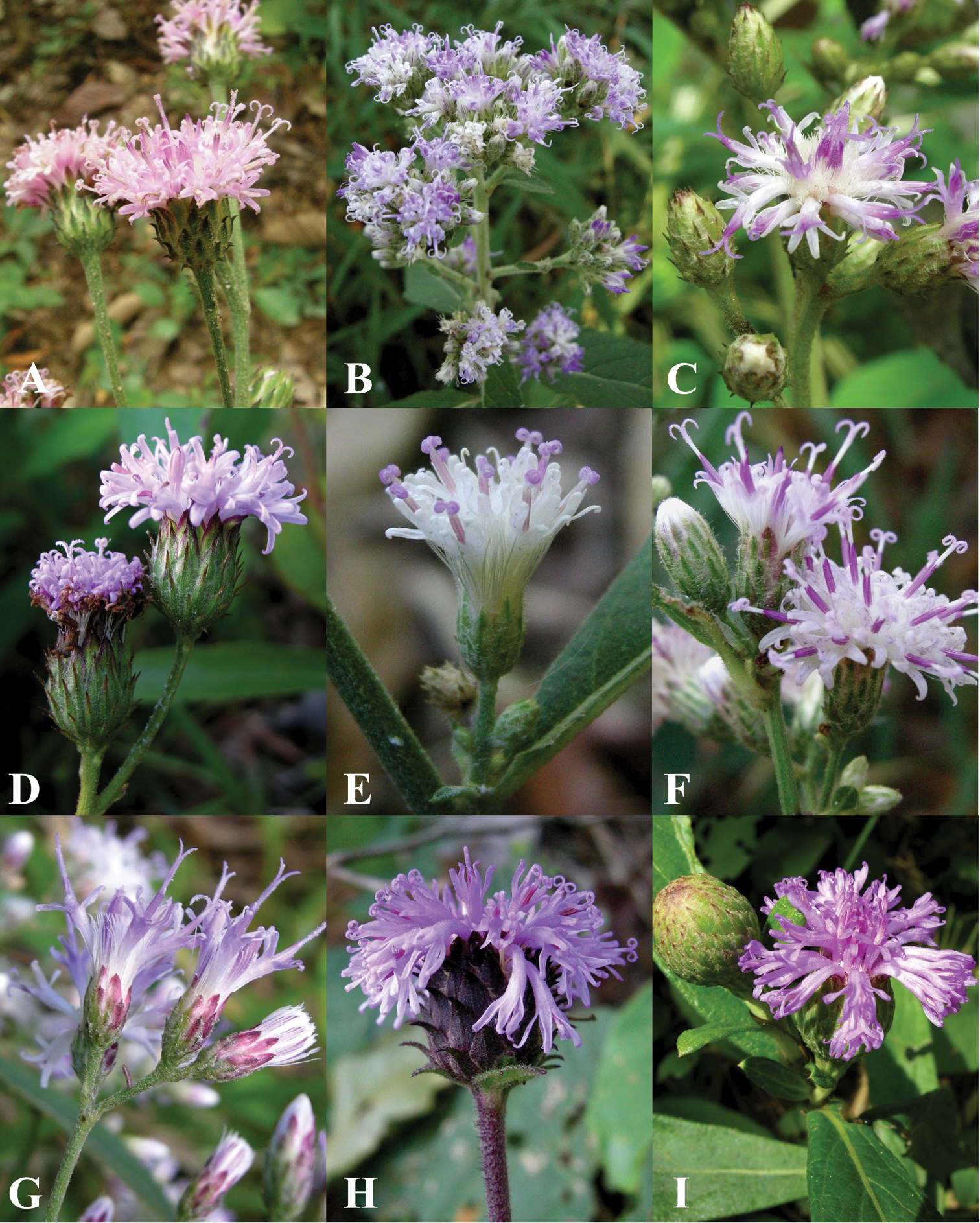
Figure 5. Morphology of Vernonieae in Thailand 1.
A Acilepis attenuata B Acilepis divergens C Acilepis namnaoensis D Acilepis ngaoensis E Acilepis peguensis F Acilepis principis G Acilepis saligna H Acilepis silhetensis I Acilepis squarrosa.
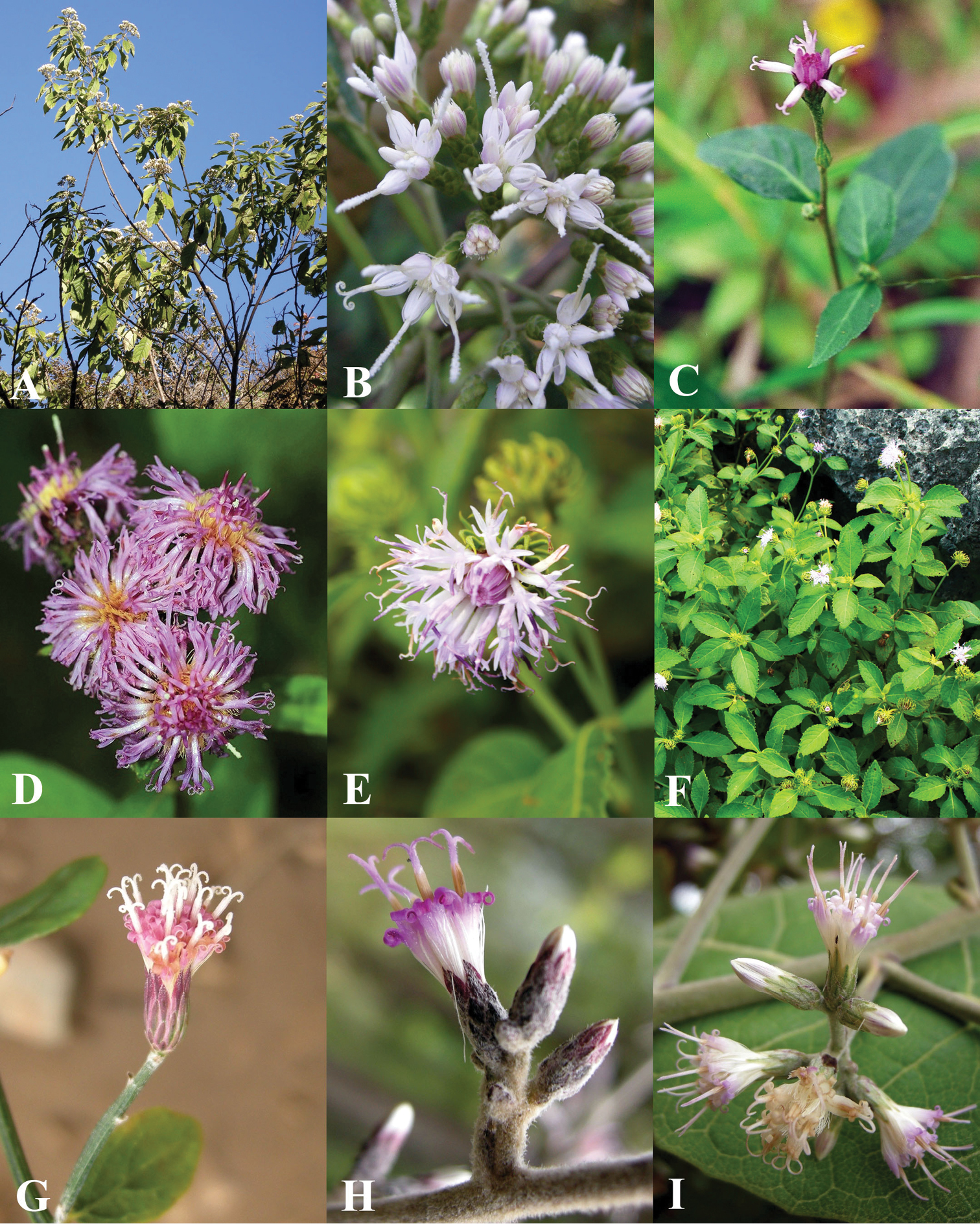
Figure 6. Morphology of Vernonieae in Thailand 2.
A Camchaya gracilis B Camchaya loloana C Camchaya loloana var. mukdahanensis D Camchaya pentagona E–F Camchaya spinulifera G Camchaya tenuiflora H–I Camchaya thailandica.


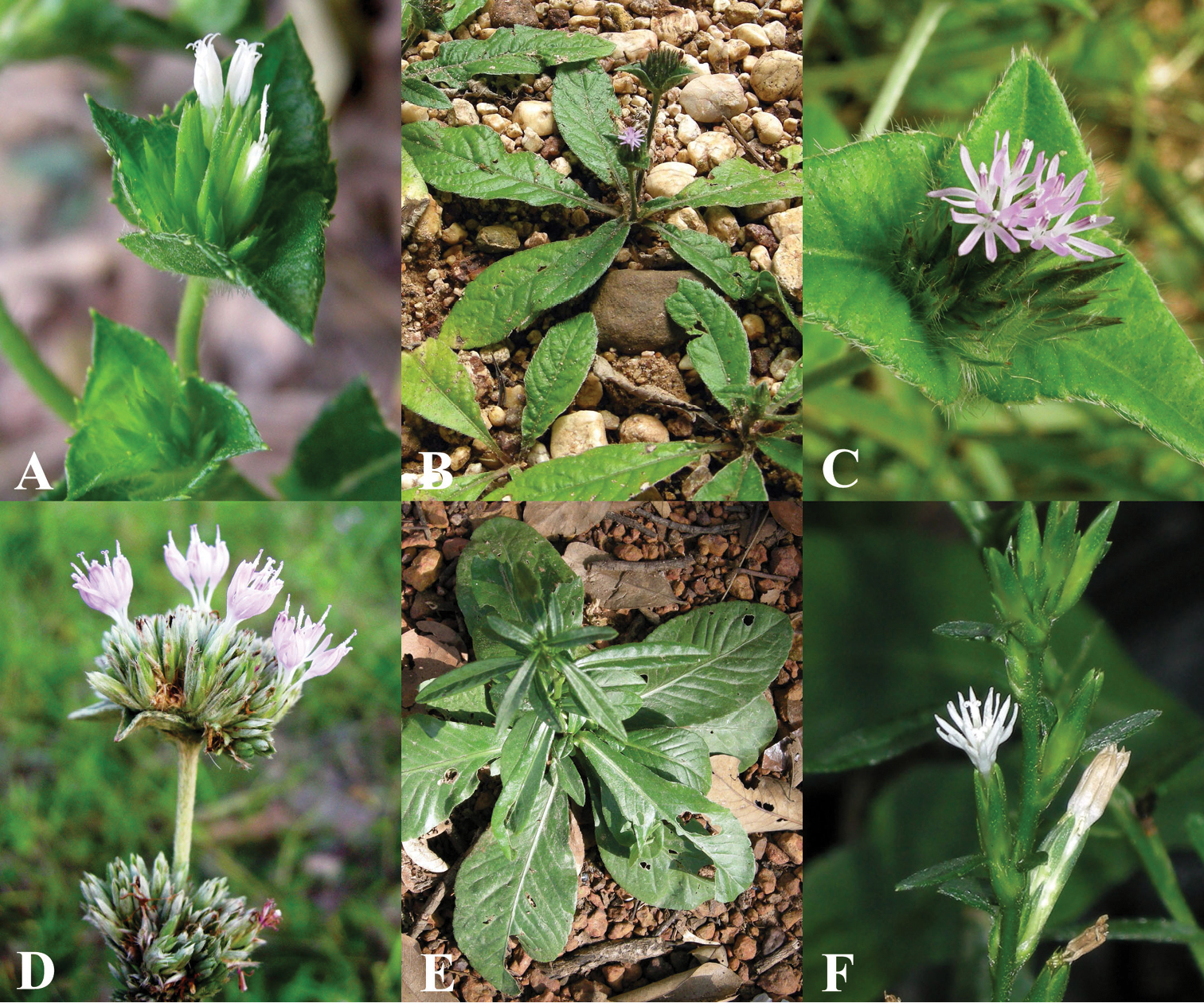
Figure 7. Morphology of Vernonieae in Thailand 3. 
A Cyanthillium cinereum B Cyanthillium montanum C Cyanthillium patulum D Decaneuropsis cumingiana E Decaneuropsis eberhardtii F Decaneuropsis garrettiana.
Figure 8. Morphology of Vernonieae in Thailand 4. 
A Elephantopus mollis B–C Elephantopus scaber D Elephantopus scaber var. penicillatus E–F Pseudelephantopus spicatus.


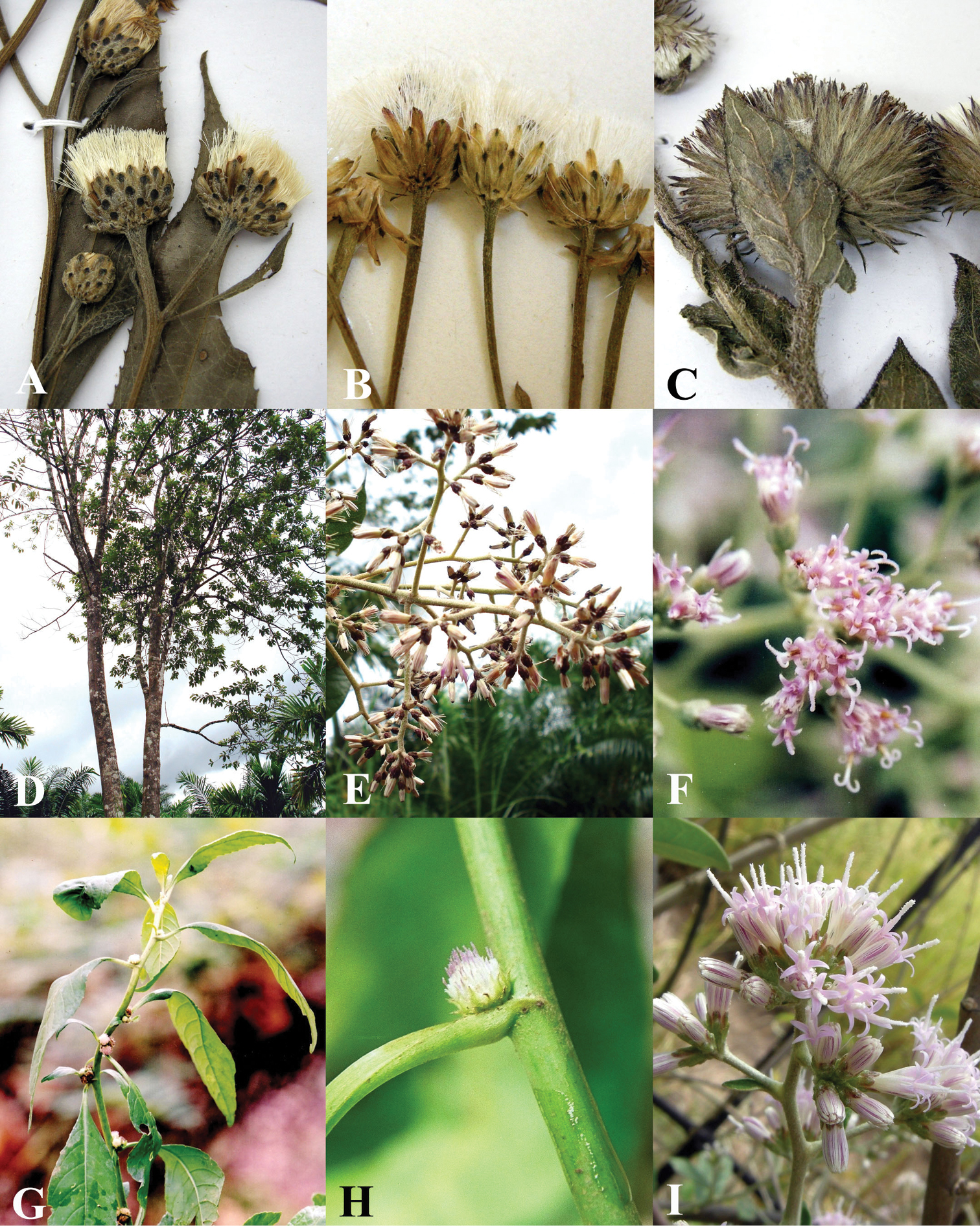
Figure 9. Morphology of Vernonieae in Thailand 5. 
A–B Gymnanthemum extensum C Iodocephalopsis eberhardtii D Koyamasia calcarea E–F Koyamasia curtisii G Kurziella gymnoclada H Monosis parishii I Monosis volkameriifolia 
Figure 10. Morphology of Vernonieae in Thailand 6. 
A Okia birmanica B Okia pseudobirmanica C Pulicarioidea annamica D–E Strobocalyx arborea F Strobocalyx solanifolia G–H Struchium sparganophorum I Tarlmounia elliptica.


Sukhonthip Bunwong, Pranom Chantaranothai, Sterling C. Keeley. 2014. Revisions and Key to the Vernonieae (Compositae) of Thailand. PhytoKeys 37: 25–101
 doi: dx.doi.org/10.3897/phytokeys.37.6499

[Botany • 2010] A New Genus, Kurziella from Thailand (Vernonieae: Asteraceae)


Kurziella gymnoclada (Collett & Hemsley) H. Rob. & S. Bunwong
Fig. 1. Photographs of Kurziella gymnocladaยุ้งปัดแม่หม้าย [Yoong Pad Maa Mai]
 A, Habit, plant ca. 0.5 m high. B, Leaves in young branch in period before or after anthesis, larger leaves ca. 3 cm by 2 cm. C, Solitary terminal capitulum with pink flowers, capitulum ca. 10 mm long.

Abstract
A new genus, Kurziella, is named to accommodate the Southeast Asian species Vernonia gymnoclada Coll. & Hemsl., a species often determined in herbaria as Vernonia juncea Kurz in Hook.f., nom. nud.


Kurziella H. Rob. & S. Bunwong, gen. nov.
Type species.— Vernonia gymnoclada Collett & Hemsley
Plantae Vernonieae in habitis in anthesis subaphyllis et in caulibus glabris distinctae.

The new genus is named here for the botanist who has been credited with the first unvalidated naming of the species, Wilhelm Sulpiz Kurz,1834–1878.

Kurziella gymnoclada (Collett & Hemsley) H. Rob. & S. Bunwong, comb. nov.


Harold Robinson, Sukhonthip Bunwong, and Pranom Chantaranothai. 2010. A New Genus, Kurziella from Thailand (Vernonieae: Asteraceae). Proceedings of the Biological Society of Washington. 123(2) 174-178 doi: dx.doi.org/10.2988/10-01.1

Sukhonthip Bunwong, Pranom Chantaranothai, Sterling C. Keeley. 2014. Revisions and Key to the Vernonieae (Compositae) of Thailand. PhytoKeys 37: 25–101. 

[Botany • 2014] Ficus cornelisiana • A New Species of Ficus subsection Urostigma (Moraceae) from the Sino-himalayan region


Ficus cornelisiana Chantaras. & Y.Q. Peng.

Abstract
A small fig tree has been misidentified as Ficus orthoneura for a long time. However, morphologically it is distinct from F. orthoneura and F. hookeriana. Typical are the ellipsoid, puberulous receptacle and caducous basal bracts. Leaf anatomy shows a multiple epidermis with the cells in the inner layer much larger than in the outer layer and thus both layers resemble an epidermis with a separate hypodermis. The abaxial cuticle is strongly sculptured, the palisade layer shows some long subdivided cells, and enlarged lithocysts are only present abaxially. Because of these differences we hereby describe it as a new species, named in honour of Cornelis (Cees) Berg: Ficus cornelisiana.

Keywords: China; Ficus; Moraceae; Vietnam; new species


B. Chantarasuwan; Y.-Q. Peng; P. Baas; J.-Y. Rasplus; B.-J. van Heuven and P.C. van Welzen. 2014. Ficus cornelisiana, A New Species of Ficus subsection Urostigma (Moraceae) from the Sino-himalayan region. Blumea - Biodiversity, Evolution and Biogeography of Plants. DOI: http://dx.doi.org/10.3767/000651914X681126

Wednesday, July 9, 2014

[Ichthyology • 2014] Priocharax nanus • A New Miniature characid (Ostariophysi: Characiformes) from the rio Negro, Amazon basin


Priocharax nanus, new species, is described from the rio Negro, Brazil. It is a miniature fish that retains as an adult the larval rayless pectoral fin, a diagnostic character of the genus. Priocharax nanus possesses fewer reductive features compared to congeners, P. ariel and P. pygmaeus, from which it can be distinguished by the presence of i,6 pelvic-fin rays (vs. i,5), the presence of the claustrum (vs. claustrum absent) and the presence of two postcleithra (vs. postcleithra absent). An updated list of 213 species of miniature Neotropical freshwater fishes is presented. The greatest diversity among them is represented by 
the Characiformes with 87 miniature species.
  
Key words: Heterocharacinae, Miniaturization, Reductive characters.


Etymology. The species name is derived from the Latin, nanus, meaning a dwarf and alludes to the tiny size of adult specimens of the species. A noun in apposition.


Mônica Toledo-Piza, George M. T. Mattox and Ralf Britz. 2014. Priocharax nanus, A New Miniature characid from the rio Negro, Amazon basin (Ostariophysi: Characiformes), with an updated list of miniature Neotropical freshwater fishes. Neotropical Ichthyology. 12(2): 229-246. DOI: dx.doi.org/10.1590/1982-0224-20130171 [ufrgs.br/ni]

[PaleoMammalogy • 2014] Early Eocene mammals from the Driftwood Creek beds, Driftwood Canyon Provincial Park, northern British Columbia, Canada


the typical Eocene paleoenvironment preserved in the Driftwood Canyon fossil beds, British Columbia, Canada.
 In the image, a Heptodon has been startled from drinking by a sound off to the right, while a small Silvacola acares on a moss-covered surface stalks the green lacewing (Pseudochrysopa harveyi) in the foreground. A water strider floats at lower left, while a march fly rests on a stalk of Equisetum at upper left. A damselfly flutters above the hedgehog at upper right under red autumn leaves of Alnus. Other plants depicted include water fern (Azolla) and waterlilies (Nuphar) (both floating), and the terrestrial plants Thuja, Metasequoia, Sassafras and saw palmettos.
Julius Csotonyi | Csotonyi.com

ABSTRACT
The early Eocene is an important time in Cenozoic history because it marked the height of global warming, coincident with significant reorganization of the mammalian biota. In North America, our understanding of mammalian diversity during this interval is largely limited to a fossil record south of the 49th Parallel. New discoveries in the early Eocene Driftwood Creek beds (Ootsa Lake Group), northern British Columbia (∼55°N) double the known diversity of Eocene mammals from this Canadian province and provide a window into the mammalian community that lived near the northernmost lake of the Okanagan Highlands, a series of Eocene lake deposits extending north-south from Republic, Washington, to Smithers, northern British Columbia. A diverse insect and fish fauna has been described from Okanagan Highlands Eocene lake shales, together with a diverse flora, interpreted as a cool upland forested landscape. We report the tapiroid cf. Heptodon and an erinaceomorph lipotyphlan Silvacola acares, gen. et sp. nov., from the Driftwood Creek beds. Presence of cf. Heptodon is consistent with the late early Eocene age of the Driftwood Creek beds determined by radiometric dating and palynology. Heptodon is otherwise known from Eocene localities in Wyoming and Colorado as well as Ellesmere Island in the High Arctic, whereas erinaceids are recorded from late Paleocene sites in Alberta, Saskatchewan, and the U.S. Western Interior and are relatively uncommon at Eocene sites in the U.S. Western Interior. Occurrence of cf. Heptodon at Driftwood Canyon supports the hypothesis proposed by others that tapiroids are proxies of densely forested habitats.


Jaelyn J. Eberle, Natalia Rybczynski & David R. Greenwood. 2014. Early Eocene mammals from the Driftwood Creek beds, Driftwood Canyon Provincial Park, northern British Columbia. Journal of Vertebrate Paleontology. 34(4); 739-746. 

New fossil discoveries: Ancient hedgehog and tapir once inhabited British Columbia

Tuesday, July 8, 2014

[PaleoOrnithology • 2014] Pelagornis sandersi • Flight Performance of The Largest Volant Bird


A reconstruction of the world's largest-ever flying bird, Pelagornis sandersi
 identified by Daniel Ksepka | illustration: Liz Bradford 

Abstract
Pelagornithidae is an extinct clade of birds characterized by bizarre tooth-like bony projections of the jaws. Here, the flight capabilities of pelagornithids are explored based on data from a species with the largest reported wingspan among birds. Pelagornis sandersi sp. nov. is represented by a skull and substantial postcranial material. Conservative wingspan estimates (∼6.4 m) exceed theoretical maximums based on extant soaring birds. Modeled flight properties indicate that lift:drag ratios and glide ratios for P. sandersi were near the upper limit observed in extant birds and suggest that pelagornithids were highly efficient gliders, exploiting a long-range soaring ecology.

Keywords: Aves, fossil, Oligocene, paleontology, pseudotooth


A line drawing of the world's largest-ever flying bird, Pelagornis sandersi, showing comparative wingspan. left, a California condor Gymnogyps californianus, right, a Wandering albatross Diomedea exulans.
by Liz Bradford


Systematic Paleontology

Aves Linnaeus, 1758. 
Pelagornithidae Fürbringer, 1888. 

Pelagornis Lartet, 1857. 
Pelagornis sandersi sp. nov.

Etymology. sandersi honors retired Charleston Museum curator Albert Sanders, collector of the holotype.

Locality and Age. The holotype was collected from Bed 2 of the Chandler Bridge Formation near Charleston Airport (Charleston, SC). It is late Oligocene (lower Chattian, ~25–28 Ma) in age based on calcareous nannoplankton biostratigraphy.

Fig. 1. (Upper) Reconstruction of Pelagornis sandersi (elements preserved in the holotype are shown in white) with D. exulans (Wandering Albatross; 3-m average wingspan) for scale.
(Lower) P. sandersi holotype (ChM PV4768) skull in (a) dorsal, (b) ventral, (c ) left lateral (mandible in medial view), and (d) right lateral views (mandible in lateral view). Right humerus in (e ) caudal and (f ) cranial views. Scapula in (g) lateral and (h) medial views. (i) Partial furcula femur in (j ) cranial and (k) caudal views. Tibiotarsus in (l ) cranial and (m ) caudal views. Fibula in (n) lateral view. Tarsometatarsus in (o) dorsal view (distal portion exposed in the medial view because of deformation) and (p) rotated to show the distal portion in dorsal view. (q) Pedal phalanx.
cc, Lateral cnemial crest; fac, fossa aditus canalis neurovascularis; fc, facet; haf, humeral articular facet; ie, intercotylar eminence; j, jugal; lf, lateral furrow; mtII, metatarsal trochlea II; nfh, nasofrontal hinge; pf, pneumatic foramen; pp, paroccipital process; sf, subcondylar fossa; sup, supra-angulare; sw, swelling on crista deltopectoralis; syn, synovial joint; tb, tubercle; trf, transverse furrow.


Daniel T. Ksepka. 2014. Flight Performance of The Largest Volant Bird. PNAS

Significance
A fossil species of pelagornithid bird exhibits the largest known avian wingspan. Pelagornithids are an extinct group of birds known for bony tooth-like beak projections, large size, and highly modified wing bones that raise many questions about their ecology. At 6.4 m, the wingspan of this species was approximately two times that of the living Royal Albatross. Modeling of flight parameters in this species indicates that it was capable of highly efficient gliding and suggests that pelagornithids exploited a long-range marine soaring strategy similar, in some ways, to that of extant albatrosses.

World's largest-ever flying bird identified http://phy.so/323962726 via @physorg_com

Saturday, July 5, 2014

[Paleontology • 2014] The Soft-tissue Attachment Scars in Late Jurassic ammonites from Central Russia


Fig. 14. Reconstruction of two Late Volgian ammonites from Craspeditidae family,
Kachpurites fulgens (A), Garniericeras catenulatum (B).

Ten arms are shown because Nautilus and representatives of Coleoidea exhibit five arm pairs in embryos, it can be a base number of arms in Cephalopoda (Kröger et. al. 2011). Two long tentacles are very speculative. However, such tentacles for external-shelled cephalopods could be very useful for catching pray which is at a distance; since rapid jumping forward could be difficult to these mollusks. The large hyponome were shown because of the presence of a funnel-locking apparatus and hyponomic retractors, and also due to the shape of aperture edges with lateral apertural sinuses and the presence of a large round opening between lappets in some ammonites (Westermann 1990: fig. 2). The eyes were drawn similar to coleoid eyes because Ammonoidea and Coleoidea were sister taxons (Jacobs and Landman 1993). The dark transverse bands on the shells correspond to the most common ammonites’ color pattern (Keupp 2000). The presence of such a color pattern in the Craspeditidae family is confirmed by findings of shells with transverse dark bands (AAM unpublished material). This picture, drawn by Andrey Atuchin, was based on the sketch of the author of this article.


Soft-tissue attachment scars of two genera and four species of Upper Jurassic (Upper Volgian) craspeditid ammonites from the Russian Platform are described. A previously suggested relationship between lateral attachment scars and ammonoid hyponome is confirmed, however, a new interpretation is proposed for dorsal attachment scars: they could have been areas not only for attachment of the dorsal (nuchal)  retractors, but also of the cephalic retractors. The new type of the soft-tissue attachment – anterior lateral sinuses, located between the lateral attachment scars and the aperture of the ammonite body chamber is described. Enclosed elliptical or subtriangular areas in apertural parts of the anterior lateral sinuses were found for the first time. Their presence and location suggest that this structure could have been used for attaching the funnel-locking apparatus, similar to those of coleoids. A transformation of shape and position of lateral attachment scars through the evolution of the Late Jurassic craspeditid lineage starting from platycones (Kachpurites fulgens) to keeled oxycones (Garniericeras catenulatum) is recognized. 

Keywords: Ammonoidea, Craspeditidae, Kachpurites, Garniericeras, soft-tissue attachment scars, paleobiology, Jurassic, Russia. 
  
Mironenko, A.A. 2014. The Soft-tissue Attachment Scars in Late Jurassic ammonites from Central Russia. Acta Palaeontologica Polonica. XX (X): xxx-xxx. http://dx.doi.org/10.4202/app.00041.2013 
http://app.pan.pl/archive/published/app59/app000412013_acc.pdf

Thursday, July 3, 2014

[Herpetology • 2014] Ecnomiohyla bailarina & E. veraguensis • Two New Fringe-limbed Frogs of the Genus Ecnomiohyla (Anura: Hylidae) from Panama


Ecnomiohyla bailarina
photo by M. Vesely [Fig]

Abstract
Forest canopy-dwelling frogs are usually among the rarest anuran species observed in the neotropical forest, mainly because they fall outside of the scope of the standard search methods used by herpetologists. During field explorations undertaken in western and eastern Panama in recent years, we discovered two species belonging to the genus Ecnomiohyla, which showed significant differences in genetic distances (16S mtDNA gene) and morphological characteristics different from any known Ecnomiohyla species. The first specimen originates from the Serranía de Jingurudó, Darién province, southeastern Panamá, and is described herein as E. bailarina sp. nov., and the second specimen was found at Santa Fe National Park, Veraguas province, central-western Panama, and is described as E. veraguensis sp. nov. We provide a detailed description of both new species, including comparisons of morphological and molecular characters of almost all members of the genus in lower Central America, as well as an identification key for the entire genus. 
Key words: Fringe-limbed frogs, Ecnomiohyla, rare species, DNA barcoding, lower Central America, Panama

Ecnomiohyla veraguensis
 photo by A. Hertz [Fig]

Batista, Abel, Andreas Hertz, Konrad Mebert, Gunther Köhler, Sebastian Lotzkat, Marcos Ponce & Milan Vesely. 2014. Two New Fringe-limbed Frogs of the Genus Ecnomiohyla (Anura: Hylidae) from Panama. Zootaxa. 3826(3): 449–474. DOI: dx.doi.org/10.11646/zootaxa.3826.3.2

Wednesday, July 2, 2014

[Herpetology • 2010] Ecnomiohyla sukia | Shaman Fringe-limbed Treefrog • A New Species of Fringe-limb Frog, genus Ecnomiohyla (Anura: Hylidae), from the Atlantic slope of Costa Rica, Central America


Ecnomiohyla sukia sp. nov. | Shaman Fringe-limb Frog | adult male in reddish color phase
Photo: Andrew Gray | frogblogmanchester.com

FIGURE 2. Ecnomiohyla sukia new species;
a = adult male (basis for pl. 74, fig. 3 in Duellman, 2001) courtesy of W.W. Lamar; b = adult male in essentially uniform color phase; c = adult male in patterned color phase; d = adult male in reddish color phase.
All specimens from Costa Rica: Limón: Guayacán: Alto Colorado.

Ecnomiohyla sukia Savage & Kubicki, 2010
Shaman Fringe-limb Frog


Abstract
A new moderate-sized species of fringe-limb treefrog of the genus Ecnomiohyla is described from the Atlantic premontane slope of central Costa Rica. It differs primarily from other members of the genus in having the combination of cephalic and dorsal osteoderms, extensive digital webbing, a pointed prepollical bony projection in adult males, and the fleshy scalloped fringe on the hindlimb continuing across the heel. Additional material of the related but much larger species, Ecnomiohyla miliaria, is documented from localities of virtual sympatry for the two taxa. The presence or absence of sexually dimorphic male features: bony humeral projection, prepollical bony projection, and keratinized black spines on the thumb and prepollex are summarized for the ten members of the genus. Hyla tuberculosa, recently referred to the genus does not belong to this clade and is regarded as incertae sedis.
Key words: Anura, Central America, Costa Rica, Guayacán, Ecnomiohyla miliaria, Ecnomiohyla sukia sp. nov., new species

Ecnomiohyla sukia
Photo: Andrew Gray | frogblogmanchester.com

Etymology. The name sukia is a noun in apposition and is derived from the Costa Rican name for the Amerind shamans of this region. We imagine that the call of the new species speaks, like those of the shamans, to communicate with the mysterious and unknown forces in the forest of the night. 

Habitat and ecology. E. sukia is a nocturnal frog that inhabits mature secondary and primary humid broadleaf evergreen forests. It is a habitué of the canopy and individuals have been found in water-filled cavities, on the surface of vegetation and on tree branches. The junior author has seen about 20 individuals captured by Miguel Solano and his associates and heard about 10 individual males calling over the past decade. The species seems to be generally most active at the drier times of the year (February to April) but may be heard calling more or less randomly throughout the year. Five were kept in captivity but only one would feed under conditions in a large terrarium with ample water and hiding places. The single male, whose call was recorded, lived four year in the terrarium and ate crickets. The species uses water-filled cavities in living trees as sites for egg deposition and probably these are the places where amplexus takes place. We wish  to point out that no individuals of the larger species, Ecnomiohyla miliaria have been seen nor heard subsequent to 1999 at Guayacán or elsewhere in the larger study area.

Distribution. Definitely known from two localities on the Atlantic slope in Tropical Lowland Wet Forest and Tropical Premontane Rainforest zones (sensu Savage, 2002, modified from Holdridge, 1967), Limón Province, Costa Rica (400–710 m; possibly to 900 m in northeastern Costa Rica). This species was recently found but not collected on the private reserve Las Brisas, at an elevation near 1000 m (Erick Berlin perscomm.). The private reserve of Las Brisas is located on the Atlantic slopes of the Turrialba Volcano, Limón Province.


Jay M. Savage & Brian Kubicki 2010. A New Species of Fringe-limb Frog, genus Ecnomiohyla (Anura: Hylidae), from the Atlantic slope of Costa Rica, Central America. Zootaxa. 2719: 21–34.

Tuesday, July 1, 2014

[PaleoIchthyology • 2012] Bawitius gen. nov. • A Giant polypterid (Osteichthyes, Actinopterygii) from the Upper Cretaceous Bahariya Formation of Egypt


Bawitius bartheli (Schaal 1984)

ABSTRACT 
A newly discovered osteichthyan ectopterygoid from the Upper Cretaceous (lower Cenomanian) Bahariya Formation of the Bahariya Oasis, Egypt, is nearly identical to the holotypic specimen of Polypterus? bartheli from the same area and geologic unit. The Bahariya ectopterygoids are referable to Polypteridae based on the presence of a robust, laterally directed process that articulates with the maxilla. Additionally, ganoid scales from the Bahariya Formation have an isopedine layer, a histological character of Polypteriformes; but differ from those of previously described members of this clade in having a discontinuous ganoin layer, rectilinear shape, and proportionally small articular processes. Both the ectopterygoids and the scales are unusually large, and are the only polypteriform remains so far identified from the Bahariya Formation. The ectopterygoids and (tentatively) the scales are herein assigned to a single species of gigantic polypterid, the morphology of which is sufficiently distinctive to warrant its placement in a new genus, Bawitius, gen. nov. Differences in scale anatomy and the enormous disparity in body size between Bawitius and Serenoichthys support the hypothesis (originally proposed on the basis of varied fin spine morphologies) that a diversity of polypterid fishes inhabited North Africa during the early Late Cretaceous.

syn: Polypterus bartheli (Schaal 1984)
 locality: Bahariya Formation, in the Bahariya Oasis of western Egypt


Barbara S. Grandstaff, Joshua B. Smith, Matthew C. Lamanna, Kenneth J. Lacovara, Medhat Said Abdel-Ghani. 2012. Bawitius, gen. nov., A Giant polypterid (Osteichthyes, Actinopterygii) from the Upper Cretaceous Bahariya Formation of Egypt. Journal of Vertebrate Paleontology. 32(1):17-26. DOI: dx.doi.org/10.1080/02724634.2012.626823